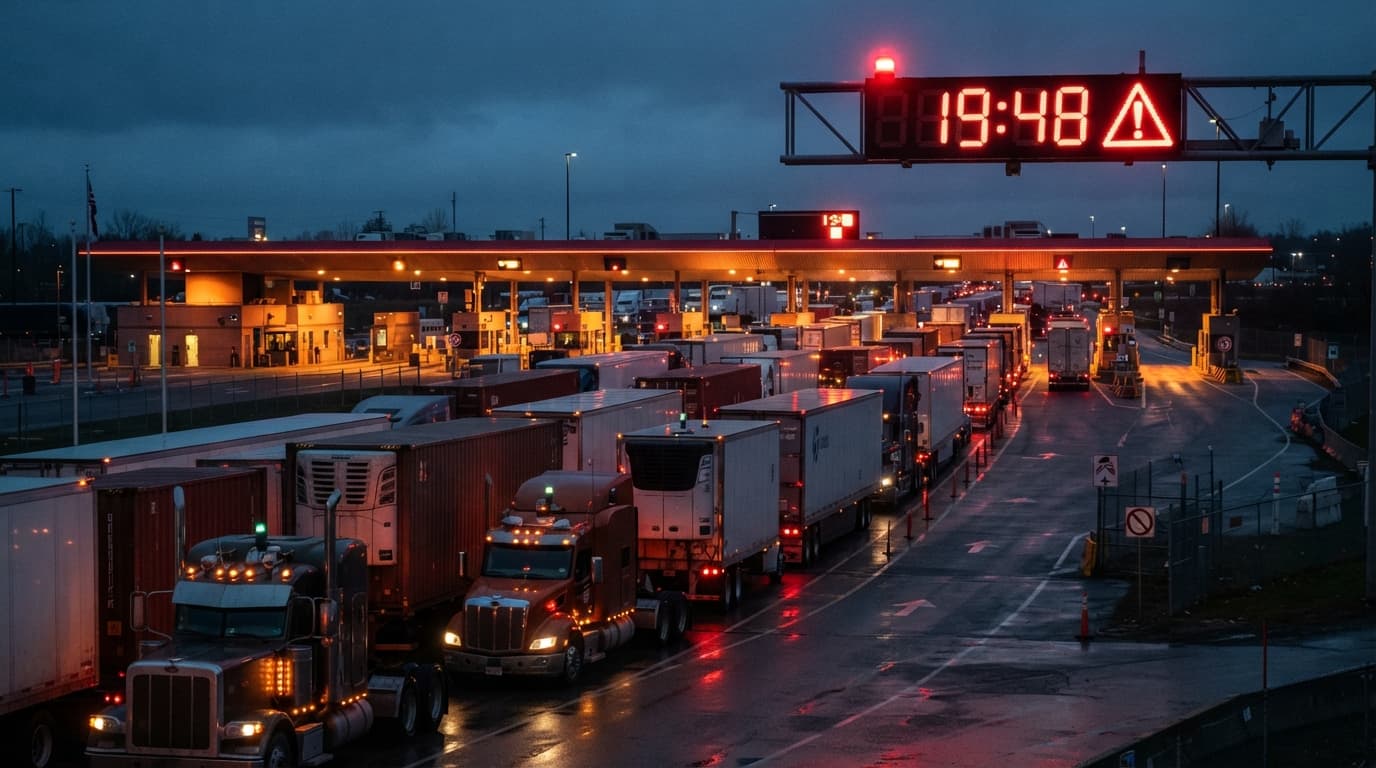
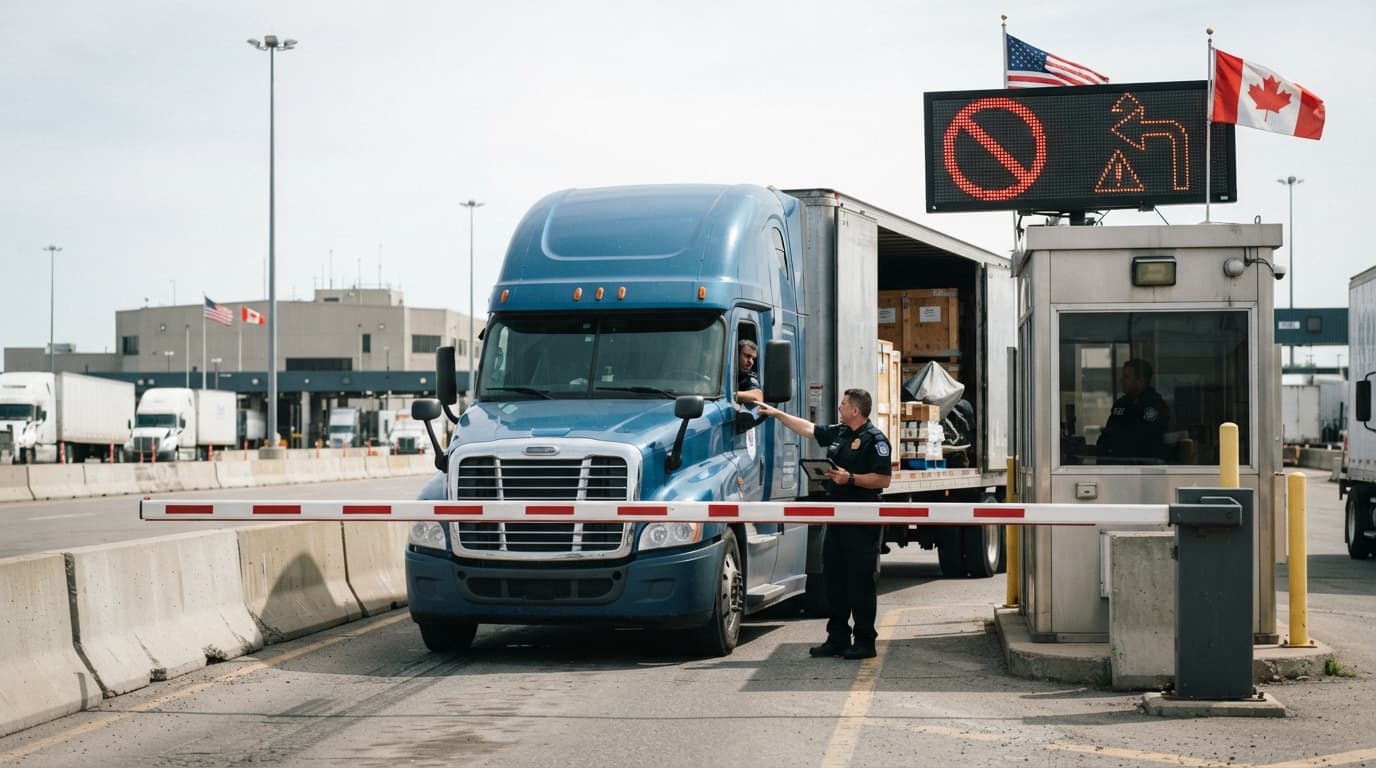
Executive Summary On September 8, 2026, President Trump signed five proclamations pursuant to Section 338 of the Tariff Act of 1930, banning certain Canadian products from entering the United States and modifying the scope of existing 50% Section 338 tariffs. The actions came in direct response to Canada’s “dollar-for-dollar” retaliatory tariffs on approximately $20 billion worth of U.S. goods, which took effect at midnight the same day. The import bans—covering most Canadian alcoholic beverages, certain dairy products, and motorcycles over 800cc—take effect September 29, 2026. The tariff modifications—adding products ranging from cheese and furniture to steel and aluminum articles while removing others—take effect September 15, 2026. Critically, Section 338 tariffs apply regardless of USMCA origin and stack on top of Section 232 tariffs, creating potential duty rates of up to 100% on certain products. This represents a fundamental escalation in the U.S.-Canada trade war and demands immediate action from cross-border logistics providers and importers.
Canada Import Ban and Expanded Section 338 Tariffs: A New Phase in the U.S.-Canada Trade War
(加拿大进口禁令与232条款扩大:美加贸易战进入新阶段)
1 · The Trigger: Canada’s Retaliatory Tariffs
The Midnight Deadline
On September 8, 2026, Canada’s “dollar-for-dollar” retaliatory tariffs on approximately $27.6 billion (US$20 billion) worth of U.S. goods took effect just after midnight Eastern Time. The counter-tariffs, ranging from 15% to 50%, target products including steel, furniture, clothing, electronics, dairy, plywood, and sunscreen.
The Breakdown of Trade Talks
The retaliation followed the collapse of formal U.S.-Canada trade negotiations on August 21, 2026, when Canadian Prime Minister Mark Carney recalled his delegation, citing “unreasonable, last-minute American demands”. Trade Minister Dominic LeBlanc confirmed that while conversations with U.S. officials continue, no formal negotiations are currently underway.
Trump’s Response
Later that same day, President Trump signed five proclamations under Section 338 of the Tariff Act of 1930—the Smoot-Hawley-era statute that had never been used for this purpose before July 2026.
⚠️ Critical Context: Canada is now one of only two countries (along with China) that have imposed retaliatory tariffs on the United States. This is a significant escalation in an 18-month trade dispute between the two countries.
2 · The Import Bans: Three Proclamations
Three of the five proclamations impose outright import bans on specific Canadian products, effective September 29, 2026. Unlike tariffs that raise the cost of imports, these bans prohibit entry entirely.
2.1 Alcohol Products
The most sweeping ban targets Canadian alcoholic beverages. According to the executive order, the following products are excluded from importation into the United States:
| Category | Examples |
|---|---|
| Beer | All beer products |
| Wine | Various types of wine |
| Cider | All cider products |
| Spirits | Whisky, bourbon, rum, vodka, and other spirits |
The ban applies broadly, covering most alcohol products from Canada. This is a direct response to Canadian provinces’ removal of U.S. alcohol products from shelves—a practice the White House cited as “discrimination against U.S. commerce”.
2.2 Dairy Products
A separate dairy-focused order bans the importation of certain Canadian dairy products. The prohibited items include:
- Whey
- Molasses
- Non-alcoholic beer
The ban applies to products that were previously subject to the 50% Section 338 tariffs under Proclamation 11047.
2.3 Motor Vehicles, Including Motorcycles Over 800cc
The third import ban targets certain Canadian motor vehicle products. The proclamation’s most specific and widely-reported provision covers motorcycles over 800cc, classified under HTSUS 8711.50.00; the Explanatory Notes clarify that this also covers three-wheeled motorcycles that lack the structural characteristics of a conventional passenger car under heading 8703. Multiple news outlets have described the ban more broadly as covering “certain Canadian motor vehicles,” so affected parties should review the full proclamation text and annex rather than assuming the ban is limited to large motorcycles alone.
3 · The Tariff Modifications: Two Proclamations
Two of the five proclamations modify the scope of the existing 50% Section 338 tariffs, effective September 15, 2026.
3.1 Products Added to the 50% Tariff List
A long list of additional Canadian goods has been added to the Section 338 tariff lists:
| Category | Specific Products |
|---|---|
| Food Products | Cheese, cheese substitutes, modified fats/oils, bovine hides and upholstery leather, certain raw and dressed furskins |
| Consumer Goods | Motorboats, outboard motors, golf carts, furniture, mattresses, LED lamps |
| Industrial Products | Paper, paperboard, writing paper, electrodes, signs |
| Steel Articles | Iron and steel columns, posts and beams |
| Aluminum Articles | Aluminum pipe and profile shapes |
| Other | All-terrain vehicles (ATVs), additional dairy products |
3.2 Products Removed from the List
To “better serve the public interest,” certain products were removed from the Section 338 tariff scope. Per CBP guidance, two classifications were removed from one Chapter 99 heading and eight from another—ten in total, against 122 classifications newly added:
| Product | HTSUS Code |
|---|---|
| Rock salt / Table salt | 2501.00.00 |
| Cement | 2523.29.00 |
| Fishing rods | 9507.10.00 |
| Toilet paper | — |
| Refined lead | — |
| Whiskies not elsewhere specified, containers over 4 liters | 2208.30.60 |
| Liqueurs and cordials, containers over 4 liters | 2208.70.00 |
The “Bulk Whisky Exception”: The removal of bulk whisky in containers over four liters creates an interesting distinction: bulk whisky in a cask gets relief, but the same whisky in a bottle does not.
3.3 The Narrowed 0% Duty Carve-Out
A change easy to miss: as of September 15, 2026, only goods classified under HTSUS heading 9903.03.13 remain eligible to claim the 0% additional rate under HTSUS 9903.03.15. Goods reclassified under 9903.03.12 or 9903.03.14—the headings covering the newly added and modified products—can no longer claim that carve-out. Importers who had structured entries around the 0% exclusion should reconfirm, product by product, whether their HTSUS classification still qualifies after September 15.
3.4 A Related Action: Barring Canadian Firms from Federal Procurement
Separately from the Section 338 proclamations, the administration also directed the U.S. Trade Representative and the General Services Administration to remove an estimated $50 billion in Canadian-origin products from GSA’s Multiple Award Schedules—the federal procurement system that channels billions of dollars in taxpayer funds to commercial suppliers. This directive extends the trade conflict into U.S. government purchasing itself, though reporting indicates it does not appear to apply to defense contracts, at least for now.
USTR Jamieson Greer framed the combined actions in a September 8 statement: “Today’s action, combining targeted import bans as authorized by Section 338 and a calibration of the underlying Section 338 tariffs, is a natural consequence of Canada’s continued discriminatory treatment of crucial American exports, ranging from alcoholic beverages to dairy products to motor vehicles. President Trump will continue to leverage the tools at his disposal to defend the interests of American workers and exporters, and restore reciprocity in our bilateral trade relationships.”
4 · The Critical Issue: Tariff Stacking and USMCA
4.1 USMCA Provides No Shield
The White House fact sheet is explicit: “These Section 338 tariffs apply to all covered goods regardless of whether a good originates under the U.S.-Mexico-Canada Agreement (USMCA)” .
⚠️ Critical Takeaway: Furniture importers and others who rely on USMCA certificates for duty-free treatment should not assume protection. A USMCA certificate does not exempt products from Section 338 tariffs.
4.2 Stacking with Section 232
The proclamations are explicit that Section 338 duties “shall apply in addition to duties imposed pursuant to Section 232” . For certain products, this creates a 100% total duty liability:
| Tariff Layer | Rate |
|---|---|
| Section 232 (steel/aluminum) | 50% |
| Section 338 | 50% |
| Total | 100% |
Aluminum profiles under HTSUS 7604.10.10.00 are a specific example: 50% under Section 232 + 50% under Section 338 = 100% total duty rate.
5 · What This Means for Cross-Border Logistics Providers
5.1 Two Critical Dates
| Date | Action | Impact |
|---|---|---|
| September 15, 2026 | Tariff modifications take effect | Duty changes affect landed costs immediately |
| September 29, 2026 | Import bans take effect | Prohibited goods cannot enter at all |
September 15 is the cost date. September 29 is the entry date. The tariff changes work differently from the bans: if a prohibited good doesn’t clear customs, it can’t come in.
5.2 Operational Impact
For importers of affected products:
- Immediate: Recalculate landed costs for products on the expanded Section 338 list
- By September 29: Ensure prohibited products are removed from supply chains
- Ongoing: Verify USMCA certificates do not create a false sense of duty-free treatment
For customs brokers:
- Update classification systems to reflect the new HTSUS codes
- Flag products subject to stacking (Section 232 + Section 338)
- Prepare for increased examination and documentation requirements
For freight forwarders and carriers:
- Anticipate shipment cancellations or rerouting for prohibited products
- Prepare for potential border delays as CBP implements new screening procedures
- Communicate cost impacts to customers proactively
5.3 Supply Chain Diversification
Prime Minister Carney has urged Canadians to “pivot away from the United States” and accelerate efforts to reduce dependence on the U.S. market. Logistics providers should anticipate:
- Long-term shift in trade flows: Canadian exporters seeking alternative markets
- Increased domestic sourcing: U.S. importers seeking non-Canadian suppliers
- New logistics corridors: Trade routes bypassing the U.S.-Canada border
6 · What Importers and Logistics Providers Must Do Now
6.1 Immediate Actions (Before September 15)
- Identify affected products against the expanded Section 338 list
- Recalculate landed costs for products subject to new or increased tariffs
- Verify USMCA status: Confirm that no covered products are relying on USMCA exemption
- Assess stacking exposure: Identify products subject to both Section 232 and Section 338
6.2 Critical Actions (Before September 29)
- Remove prohibited products from supply chains
- Cancel or reroute shipments of banned alcohol, dairy, or motorcycle products
- Communicate with customers about product availability changes
- Review contracts for force majeure or tariff adjustment clauses
6.3 Ongoing Compliance
- Monitor CBP guidance: Watch for CSMS messages and Federal Register notices
- Update classification systems: Ensure HTSUS codes are current
- Document everything: Maintain records of tariff calculations and origin determinations
- Consult trade counsel: For guidance on specific products and potential exclusions
6.4 Strategic Considerations
- Diversify sourcing: Identify alternative suppliers outside Canada for affected products
- Build inventory buffers: For products that may face supply disruptions
- Monitor negotiations: While formal talks are stalled, discussions continue
- Prepare for further escalation: The White House has signaled willingness to use additional tools
7 · Conclusion: A New Phase in the Trade War
The five proclamations signed on September 8, 2026, represent a fundamental escalation in the U.S.-Canada trade war. For the first time, the United States is not merely taxing Canadian imports—it is banning them outright.
Key Takeaways
| Factor | Detail |
|---|---|
| Trigger | Canada’s $27.6B retaliatory tariffs (September 8) |
| Legal Authority | Section 338, Tariff Act of 1930 (five proclamations) |
| Import Bans Effective | September 29, 2026 |
| Tariff Modifications Effective | September 15, 2026 |
| Banned Products | Most alcohol, certain dairy (whey, molasses), motorcycles over 800cc |
| Added to 50% Tariff List | Cheese, furniture, mattresses, motorboats, steel/aluminum articles |
| USMCA Exemption | None — Section 338 applies regardless of origin |
| Section 232 Stacking | Yes — potential 100% total duty liability |
The Bottom Line
Cross-border logistics providers and importers have days, not weeks, to prepare. The tariff modifications take effect September 15. The import bans take effect September 29. Both dates require immediate action.
The message is clear: The U.S.-Canada trade relationship has entered uncharted territory. USMCA no longer provides certainty. Tariff stacking creates unprecedented cost exposure. And for the first time in modern history, certain Canadian products are simply not allowed into the United States. Preparation is not optional—it is essential.
This analysis reflects the five proclamations signed by President Trump on September 8, 2026, pursuant to Section 338 of the Tariff Act of 1930, related CBP guidance (CSMS #69851916, covering the September 15 scope modifications, and CSMS #69606660, covering the August 22 effective date), and related developments as of September 16, 2026. Specific tariff rates, product scope, and implementation details are subject to official proclamations and CBP guidance. Organizations engaged in cross-border trade with Canada should consult with customs brokers, trade counsel, and compliance professionals for guidance tailored to their specific operations and exposure.