
Executive Summary
With less than two months remaining before full compliance is required under CBP’s interim final rule on low-value international mail entries, brokers, freight forwarders, and importers handling this shipment category face a narrowing window to prepare. The rule, which took effect July 24, 2026, established a temporary Excel spreadsheet-based filing process for informal mail entries valued at $2,500 or less, with full compliance required by October 22, 2026. Complicating matters, CBP’s more automated alternative—a voluntary test of electronic informal entry type 13—is not scheduled to launch until September 22, leaving filers a genuinely compressed period to evaluate whether to build around the interim manual process, wait for the electronic test, or pursue both in parallel. This analysis reviews the compliance requirements established under the interim rule, examines the practical gap between the July effective date and the October deadline, and offers a readiness checklist for organizations still finalizing their approach.
The October 22 Deadline Approaches: Preparing for Full Compliance on Low-Value Mail Entries
(10月22日截止日期:低价值邮件报关全面合规倒计时)
1 · Understanding Why October 22 Matters
Two Dates, Not One
CBP’s interim final rule addressing low-value shipments moving through the international postal network established two distinct dates that filers need to track carefully, and conflating them has already caused confusion within parts of the trade community.
July 24, 2026 was the rule’s effective date—the point at which the new legal framework, including the interim spreadsheet-based entry process, formally became available and applicable.
October 22, 2026 is the date by which full compliance with the rule’s provisions is required. This roughly three-month gap between effective date and compliance deadline appears intended to give the trade community time to adjust operations, secure necessary bonding, and build internal processes around the new requirements—but it is not an open-ended grace period, and it is considerably shorter than it may initially appear once ordinary business timelines are taken into account.
Why the Gap Exists
Interim final rules of this kind frequently include a compliance runway precisely because CBP recognizes that operational readiness cannot be achieved overnight. Bonding arrangements take time to secure. Internal processes for compiling and formatting spreadsheet submissions need to be built, tested, and staffed. And eligibility questions—particularly around who may lawfully act as filer under the interim process—may require some organizations to restructure existing relationships with clients or partners.
The practical reality: roughly three months sounds workable in the abstract, but for organizations that have not yet begun preparation work, the actual window remaining is considerably tighter once time for bond procurement, internal testing, and staff training is factored in.
2 · What Full Compliance Actually Requires
Recapping the Interim Process
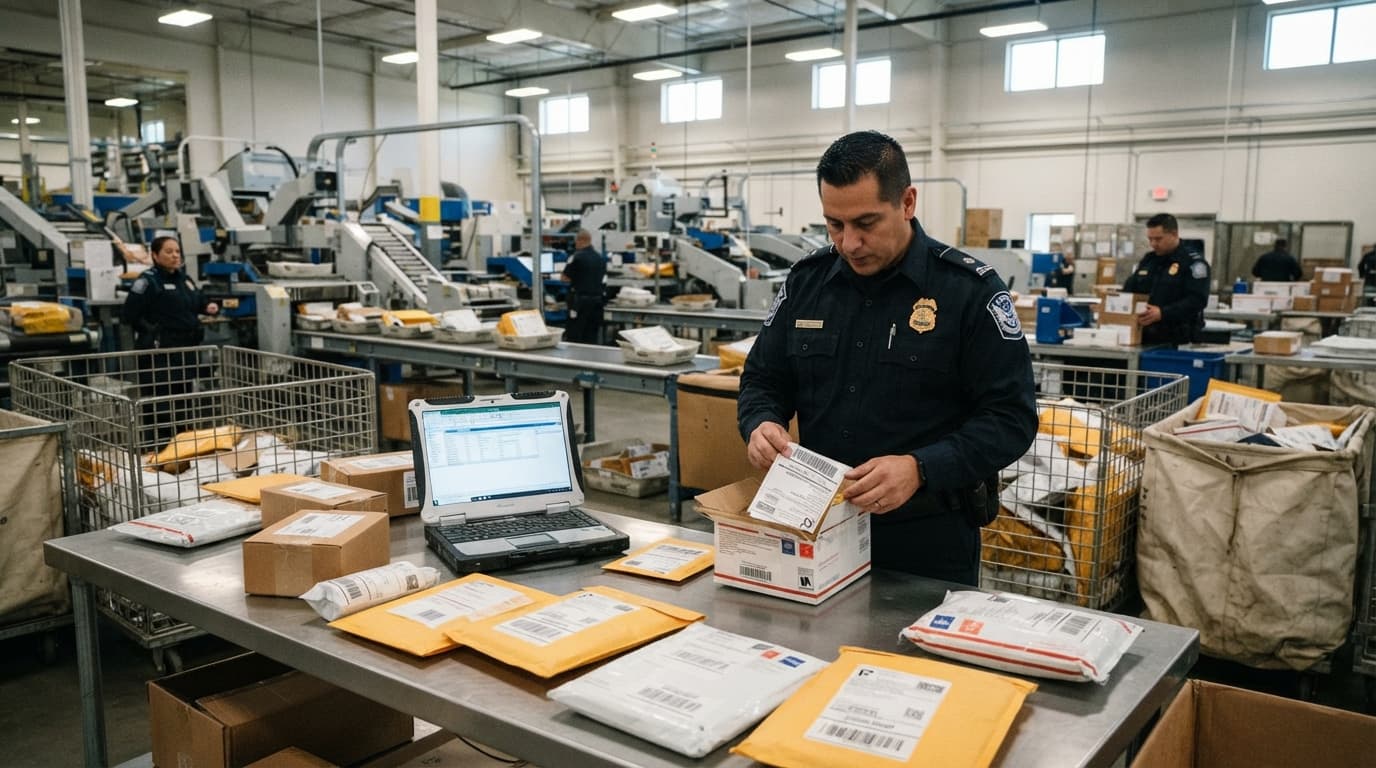
Under the interim rule, informal mail entries valued at $2,500 or less must be filed by emailing CBP a properly formatted Excel spreadsheet containing the data elements specified in the rule, rather than transmitting data electronically through the Automated Broker Interface or standard ACE channels.
Full compliance by October 22 means an organization must have, at minimum:
- Confirmed eligibility to file — only owners, purchasers of the goods, or licensed customs brokers acting on their behalf may act as filer under this process
- Secured adequate bonding — filers must maintain a basic importation and entry bond sufficient to cover the entries being filed
- Built a reliable spreadsheet submission process — capable of accurately compiling and transmitting the required data fields for every qualifying shipment or batch
- Established a screening process for excluded categories — correctly and immediately routing away from the interim process any shipments subject to quotas or AD/CVD duties (no grace period), while preparing to also exclude HTSUS Chapters 98/99 duties, PGA requirements, and FTA/Chapter 98 duty-free claims once their delayed compliance period ends on October 22
Organizations still working through any of these four items should treat the coming weeks as a priority sprint rather than something to revisit closer to the deadline.
The Eligibility Bottleneck
Of the four requirements above, eligibility restrictions appear to be creating the most friction for parts of the trade community. Freight forwarders and consolidators who are neither the owner or purchaser of the goods nor a licensed customs broker do not qualify to file under the interim process. Organizations operating in this category have generally needed to restructure their role—either by routing filing responsibility through a licensed broker partner or by reassessing whether they can continue handling this shipment category at all under the new framework.
This restructuring is not something that can be finalized in the final days before a deadline. Establishing a working relationship with a licensed broker, defining data-handoff procedures, and testing the resulting workflow all require lead time that is shrinking by the week.
3 · The Entry Type 13 Complication: A Test Program That Arrives Late in the Window
A One-Month Overlap
CBP has announced that a voluntary test of electronic informal entry type 13 for qualifying international mail shipments is scheduled to begin September 22, 2026—exactly one month before the October 22 full-compliance deadline.
This timing creates a genuine strategic question for filers. The Entry Type 13 test is explicitly framed by CBP as an eventual replacement for the manual spreadsheet process, offering electronic processing within ACE for qualifying shipments, including some categories—such as PGA-regulated goods—that the interim spreadsheet process does not currently accommodate at all.
Should Filers Wait, or Build for the Interim Process Regardless?
The case for building the spreadsheet process now: participation in the Entry Type 13 test is voluntary, and CBP has given no indication of a mandatory transition date. Organizations that wait for the test to become available, and then wait further to evaluate whether it functions reliably before adopting it, may find themselves without any functioning entry pathway during the gap—a scenario that risks noncompliance regardless of intent.
The case for evaluating Entry Type 13 in parallel: given that the spreadsheet process is explicitly described by CBP as temporary, organizations investing heavily in permanent infrastructure built specifically around Excel-based submissions risk that investment becoming obsolete relatively quickly. Building baseline spreadsheet compliance while simultaneously monitoring the Entry Type 13 test closely, with an eye toward earlier-than-mandatory adoption, may offer the more efficient long-term path.
The practical recommendation emerging from this timing: most trade compliance advisors appear to be counseling a dual-track approach—ensure the spreadsheet process is fully operational and compliant well before October 22, regardless of Entry Type 13’s availability, while treating the September 22 test launch as an opportunity to begin parallel evaluation rather than a reason to delay baseline compliance work.
4 · Screening Exclusions: A Two-Tier Compliance Risk Often Misunderstood
Why This Matters More Than It May Initially Appear
Not every low-value mail shipment qualifies for the interim informal process, and incorrectly routing an excluded shipment through the simplified pathway is itself a compliance failure—separate from, and in addition to, any underlying issue with the shipment itself.
The exclusions actually apply on two different timelines, and conflating them is itself a common and consequential mistake. Shipments subject to quotas or to antidumping or countervailing duties (AD/CVD) have been excluded from the interim spreadsheet process since it began on July 24, 2026 — there is no grace period for these two categories, and routing them through the informal process today is already noncompliant. By contrast, CBP has built in a delayed compliance period, running through October 22, 2026, specifically for three other categories: shipments subject to duties under HTSUS Chapters 98 and 99, shipments subject to PGA import and entry-related requirements, and shipments for which duty-free treatment is claimed under HTSUS Chapter 98 or a free trade agreement. During this delayed-compliance window, CBP is permitting these three categories to continue moving through the interim spreadsheet process even though the underlying regulation ultimately excludes them. Only once October 22 arrives does the exclusion for these three categories become mandatory, at which point all five categories must be routed to formal entry or Entry Type 13.
A practical implication for filers: the immediate priority is verifying that AD/CVD- and quota-subject shipments are being correctly excluded right now, not in October. The October 22 deadline is what filers should be building toward for the PGA, Chapter 98/99, and FTA/Chapter 98 categories specifically — treating all five categories as though they carry the same October 22 timeline risks either premature over-restriction of eligible shipments before the deadline, or, more seriously, continued noncompliant handling of AD/CVD and quota shipments in the mistaken belief that a grace period applies to them too.
The AD/CVD Screening Challenge Specifically
Given the sheer breadth of active AD/CVD orders affecting Chinese-origin goods in particular—spanning products from aluminum extrusions to mattresses to fiberglass door panels, as recent Commerce and ITC activity has demonstrated—screening low-value mail shipments for AD/CVD exposure is not always a straightforward exercise. A shipment that appears, on its surface, to be a simple low-value consumer item may fall within the scope of an existing order depending on precise product composition, and scope determinations are not always intuitive from a basic product description alone.
A practical implication: filers handling meaningful volumes of low-value mail shipments from China or other countries with extensive AD/CVD order coverage should build a more rigorous screening step into their spreadsheet-process workflow than might otherwise seem necessary for shipments of this modest value — and should treat this as a present-day obligation, not one tied to the October 22 deadline. Treating AD/CVD screening as unnecessary simply because a shipment is low-value is a mistaken assumption—duty exposure and screening obligations attach based on product and origin, not shipment value.
5 · A Readiness Checklist for the Remaining Weeks
Organizations still finalizing their approach to the October 22 deadline may find it useful to work through the following items in priority order.
Confirm filing eligibility. Determine definitively whether your organization qualifies to file under the interim process as owner, purchaser, or licensed customs broker. If not, identify and formalize a broker relationship now, since this restructuring requires lead time.
Verify bond adequacy. Confirm that your basic importation and entry bond is sized appropriately for anticipated volume under the interim process. Organizations that previously relied heavily on de minimis treatment, and therefore carried minimal bonding, should treat this as an urgent item given typical bond procurement timelines.
Build and test the spreadsheet submission workflow. Ensure the process for compiling required data fields is documented, assign clear internal ownership, and run test submissions well ahead of the deadline rather than for the first time under live conditions.
Establish the exclusion-screening process. Build a checklist or automated flag system to catch quota-subject and AD/CVD-subject shipments now — these carry no grace period — and to catch Chapter 98/99, PGA-regulated, and FTA/Chapter 98 duty-free shipments before the October 22 end of their delayed compliance window.
Monitor the September 22 Entry Type 13 launch closely. Even if not planning immediate participation, understanding the test program’s actual scope and functionality once live will inform medium-term planning and may reveal whether early adoption offers meaningful advantages for your specific shipment profile.
Document everything. Given the broader enforcement environment described throughout 2026—including the DOJ-DHS Resource Guide to Trade Fraud Enforcement and Executive Order 14411’s emphasis on importer accountability—maintaining a clear record of good-faith compliance efforts around this transition is worthwhile independent of the specific October 22 requirement.
6 · Conclusion: A Deadline Closer Than It Appears
The Real Timeline
While October 22 may read as a comfortably distant deadline when viewed from late August, the actual preparation window is considerably shorter once bond procurement, broker relationship restructuring, and internal system testing are factored in. Organizations that have not yet begun this work in earnest should treat the coming weeks as a compressed sprint rather than a leisurely runway.
The Entry Type 13 Timing Complication
The September 22 test launch, arriving just one month before full compliance is required, adds a genuine layer of strategic complexity rather than simplifying the picture. Filers are generally best served by ensuring baseline spreadsheet compliance is fully operational regardless of Entry Type 13’s availability, while treating the electronic test as a parallel evaluation opportunity rather than a reason to delay foundational compliance work.
Moving Forward
Brokers, freight forwarders, and importers handling low-value international mail shipments should use the remaining weeks before October 22 to confirm eligibility, secure adequate bonding, build and test spreadsheet submission workflows, and establish reliable exclusion screening. Given the pace and layered nature of customs enforcement changes throughout 2026, treating this deadline as a firm checkpoint—rather than an informal target—is the more prudent approach.
This analysis reflects CBP’s interim final rules on low-value mail entry procedures and related compliance deadlines as of August 2026. Specific requirements, timelines, and program details are subject to the official rule text and any subsequent CBP guidance. Organizations managing low-value mail entries should consult with customs brokers and trade compliance professionals for guidance tailored to their specific operations and circumstances.