Executive Summary
On August 4, 2026, the Bureau of Industry and Security (BIS) published a notice seeking public comments on a proposal to expand Section 232 tariffs to 14 additional steel, aluminum, and copper derivative articles. The proposal, published in the Federal Register on August 6, 2026, would impose tariffs ranging from 15% to 50% on products including fire extinguishers, trailers, musical instruments, welding machine parts, and filled steel containers. With public comments due by August 27, 2026, affected industries have only weeks to assess the impact and respond. This is not a niche metals issue – it reaches into logistics equipment, consumer goods, and industrial machinery. This analysis examines the proposal, the affected products, and what importers and logistics providers must do now.
Section 232 Is Expanding – Are Your Products on the List?
(232条款关税范围扩大:您的产品在清单上吗?)
1 · What Is Section 232 and Why Does This Expansion Matter?
The Legal Foundation
Section 232 of the Trade Expansion Act of 1962 authorizes the President to adjust imports – including through tariffs – to protect national security, following a Commerce Department investigation into whether import quantities or circumstances “threaten to impair” national security. Unlike Section 301 tariffs (which target specific countries for unfair trade practices), Section 232 tariffs are generally global in scope – they apply to imports from all countries unless specifically excluded.
The Existing Section 232 Framework
Section 232 tariffs on steel (25%) and aluminum (10%) have been in place since 2018. In recent years, the scope has expanded to include derivative articles – products made from or containing these metals – to prevent circumvention. This expansion is being carried out through a formal Section 232 Inclusions Process, established by BIS in an interim final rule effective April 30, 2025, under which submissions are accepted and reviewed in periodic windows throughout the year. The current proposal represents the latest and most significant expansion of that derivative article coverage, building on the framework established by Presidential Proclamation 11021 of April 2, 2026.
Why This Expansion Is Different
Previous Section 232 expansions focused on products closely tied to steel and aluminum production. This proposal reaches into finished consumer and industrial goods that many importers would not immediately associate with metals tariffs:
- Musical instruments (brass-wind)
- Fire extinguishers
- Trailers and semi-trailers
- Floor safes
- Welding machine parts
- Filled steel containers (propane, oxygen, propylene tanks)
The strategic implication: BIS is signaling that Section 232 is no longer confined to raw materials or semi-finished metals. It is now a tool that can reach deep into finished product supply chains.
2 · The 14 Proposed Products – Complete List
The proposal identifies 14 additional derivative articles for inclusion within the scope of Section 232 duties:
| # | Product Description | HTSUS Code(s) |
|---|---|---|
| 1 | Aluminum powder (non-lamellar structure) | 7603.10.0000 |
| 2 | Brass-wind musical instruments and parts/accessories | 9205.10.0040 (valued under $10), 9205.10.0080 (valued over $10), 9209.99.4080 |
| 3 | Parts of welding machines and apparatus | 8515.90.2000 |
| 4 | Free-standing floor safes | 8303.00.0000 |
| 5 | Electric conductor cables | 8544.49.2000, 8544.49.3040, 8544.49.3080, 8544.60.4000 |
| 6 | Fire extinguishers | 8424.10.0000 |
| 7 | Parts of heat exchange units | 8419.90.3000 |
| 8 | Parts of linear acting hydraulic power engines and motors | 8412.90.9005 |
| 9 | Mobile lifting frames on tires and straddle carriers | 8426.12.0000 |
| 10 | Other self-propelled cranes and mobile lifting frames | 8426.41.0090 |
| 11 | Tanker trailers and semi-trailers | 8716.31.00 |
| 12 | Self-loading/unloading trailers for agricultural purposes | 8716.20.00 |
| 13 | Other trailers and semi-trailers | 8716.40.00 |
| 14 | Filled steel containers for chemicals: propane, oxygen, propylene | 2711.12.0020, 2804.40.0000, 2901.22.0000 |
Notable Inclusions
Trailers and Semi-Trailers (HTSUS 8716.31.00, 8716.20.00, 8716.40.00): This is one of the most significant inclusions for the logistics industry. Trailers are the backbone of freight transportation – tanker trailers, agricultural trailers, and general freight trailers would all face tariffs.
Fire Extinguishers (HTSUS 8424.10.0000): A safety product found in virtually every commercial and industrial facility would now carry a 25% tariff.
Brass-Wind Musical Instruments (HTSUS 9205.10.0040 / 9205.10.0080): Perhaps the most surprising inclusion – trumpets, trombones, and other brass instruments would face Section 232 tariffs, with the applicable code depending on whether the instrument is valued above or below $10. The National Association of Music Merchants (NAMM) has already issued a statement opposing this expansion. NAMM President and CEO John Mlynczak said the proposed tariffs would “harm the American businesses, musicians and children”—a reference to school band programs that rely on imported instruments—and confirmed NAMM would file formal comments against the proposal with BIS.
Filled Steel Containers: Propane tanks, oxygen cylinders, and propylene containers would face a 50% tariff – but only on the value of the metal container, not the contents.
3 · The Tariff Rate Structure
BIS has proposed a tiered rate structure for the 14 products:
| Product Category | Proposed Tariff |
|---|---|
| Most products (aluminum powder, musical instruments, welding parts, safes, cables, fire extinguishers, heat exchange parts, hydraulic parts, tanker trailers, other trailers) | 25% |
| Self-loading/unloading agricultural trailers | 15% |
| Self-propelled cranes, mobile lifting frames, straddle carriers | Rate varies by country of origin, given their classification as mobile industrial equipment |
| Filled steel containers (propane, oxygen, propylene) | 50% (on container value only) |
The Filled Container Valuation Issue
The 50% tariff on filled steel containers presents a unique valuation challenge. The tariff applies only to the value of the metal container itself – not the propane, oxygen, or propylene inside. Importers will need to segregate the value of the container from its contents for customs purposes. This creates:
- Additional administrative burden
- Risk of misdeclaration
- Potential disputes over valuation methodology
4 · The Timeline – A Narrow Window
| Date | Action |
|---|---|
| August 4, 2026 | BIS published notice |
| August 6, 2026 | Federal Register publication |
| August 27, 2026 | Public comment deadline |
| TBD | BIS review of comments |
| TBD | Final rule (if adopted) |
Comments must be received by August 27, 2026 – less than three weeks from the date of this article. Comments can be submitted via www.regulations.gov using docket ID BIS-2026-0331 and referencing XRIN 0694-XC166.
⚠️ Critical Takeaway: The comment period is unusually short. Affected parties have only weeks to assess impact, prepare comments, and submit them. Do not wait.
5 · Industry Reaction – Pushback Is Building
NAMM Opposes Musical Instrument Tariffs
The National Association of Music Merchants (NAMM) has already issued a statement opposing the inclusion of brass-wind musical instruments and their parts and accessories within the scope of Section 232 duties. NAMM President and CEO John Mlynczak stated that the proposed tariffs would “harm the American businesses, musicians and children” – a reference to school band programs that rely on imported instruments – and confirmed the association will be filing formal comments against the proposal with BIS.
Broader Industry Concerns
Beyond musical instruments, industry groups are raising concerns about:
- Supply chain disruption: Products like fire extinguishers and trailers are essential safety and logistics equipment. Tariffs will increase costs for end-users across the economy.
- Packaging costs: The 50% tariff on filled steel containers will increase costs for propane, oxygen, and propylene – inputs used across manufacturing, healthcare, and agriculture.
- Unintended consequences: As with past tariff actions, there are concerns about downstream cost increases and competitiveness impacts on U.S. manufacturers that use these imported components.
6 · What This Means for Logistics Providers
Direct Impact on Logistics Equipment
The inclusion of trailers and semi-trailers (HTSUS 8716.31.00, 8716.20.00, 8716.40.00) is a direct hit to the logistics industry. Key implications:
- Fleet replacement costs increase: Imported trailers will face 15-25% tariffs, raising the cost of expanding or replacing fleets
- Lease and rental rates may rise: Increased equipment costs will flow through to lease and rental pricing
- Used equipment market may tighten: As new imports become more expensive, demand for used equipment may increase
Impact on Warehousing and Distribution
Fire extinguishers (HTSUS 8424.10.0000) are required safety equipment in every warehouse and distribution center. A 25% tariff will increase:
- Facility compliance costs
- Ongoing replacement and maintenance expenses
- Capital expenditure budgets for new facilities
Impact on Cargo and Containerized Freight
Filled steel containers (propane, oxygen, propylene tanks) will face a 50% tariff on the container value. Logistics providers handling these products need to:
- Understand the valuation methodology (container vs. contents)
- Ensure accurate customs declarations
- Communicate cost increases to customers
Impact on Supply Chain Costs
The ripple effects will extend beyond the direct tariff:
- Higher landed costs for affected products
- Increased customs brokerage fees for managing new tariff classifications
- Potential delays as importers and brokers adjust to new requirements
- Inventory holding cost increases as higher product costs flow through
7 · What Importers Must Do Now
1. Audit Your Product Portfolio
Immediately review your product portfolio against the 14 HTSUS codes listed above. Do not assume that because a product seems unrelated to metals it is excluded – musical instruments, fire extinguishers, and safes are all on the list.
2. Assess Supply Chain Exposure
For affected products:
- Identify countries of origin (Section 232 tariffs are generally global, but exclusions may apply)
- Quantify the tariff impact on landed costs
- Assess whether suppliers can absorb costs or whether price increases are necessary
3. Submit Comments by August 27
If your business would be materially affected by this expansion, submit comments before the August 27 deadline. Comments should address:
- The economic impact on your business
- Supply chain disruption concerns
- Practical implementation challenges
- Alternative approaches that would achieve policy goals with less disruption
Submit comments via www.regulations.gov using docket ID BIS-2026-0331.
4. Prepare for Implementation
Even if comments result in modifications, some form of expansion is likely. Prepare for implementation by:
- Updating landed cost models
- Training customs brokers on new classifications
- Reviewing existing import contracts for tariff adjustment clauses
- Communicating with suppliers and customers about potential cost impacts
5. Monitor for Exclusions and Exceptions
Past Section 232 actions have included product-specific exclusions and country exemptions. Monitor BIS announcements for:
- Potential exclusions for specific products or industries
- Country exemptions (e.g., USMCA countries may be exempt)
- Quota arrangements or alternative mitigation mechanisms
8 · Conclusion: A Significant Expansion with Broad Implications
The BIS proposal to expand Section 232 tariffs to 14 additional derivative products represents a significant escalation in the scope of U.S. metals tariffs. Unlike previous expansions that focused on products closely tied to steel and aluminum production, this proposal reaches into finished consumer and industrial goods – from musical instruments to fire extinguishers to trailers.
Key Takeaways
- 14 new product categories are proposed for Section 232 coverage
- Rates range from 15% to 50% depending on the product
- Public comments are due by August 27, 2026 – a very short window
- Trailers – essential logistics equipment – are directly affected
- Filled steel containers face a complex 50% tariff on container value only
- Industry pushback is already building, particularly from the music industry
The Bottom Line
This is not a niche metals issue. It affects logistics equipment, safety products, industrial machinery, and even musical instruments. Importers and logistics providers have weeks, not months, to assess impact, submit comments, and prepare for implementation.
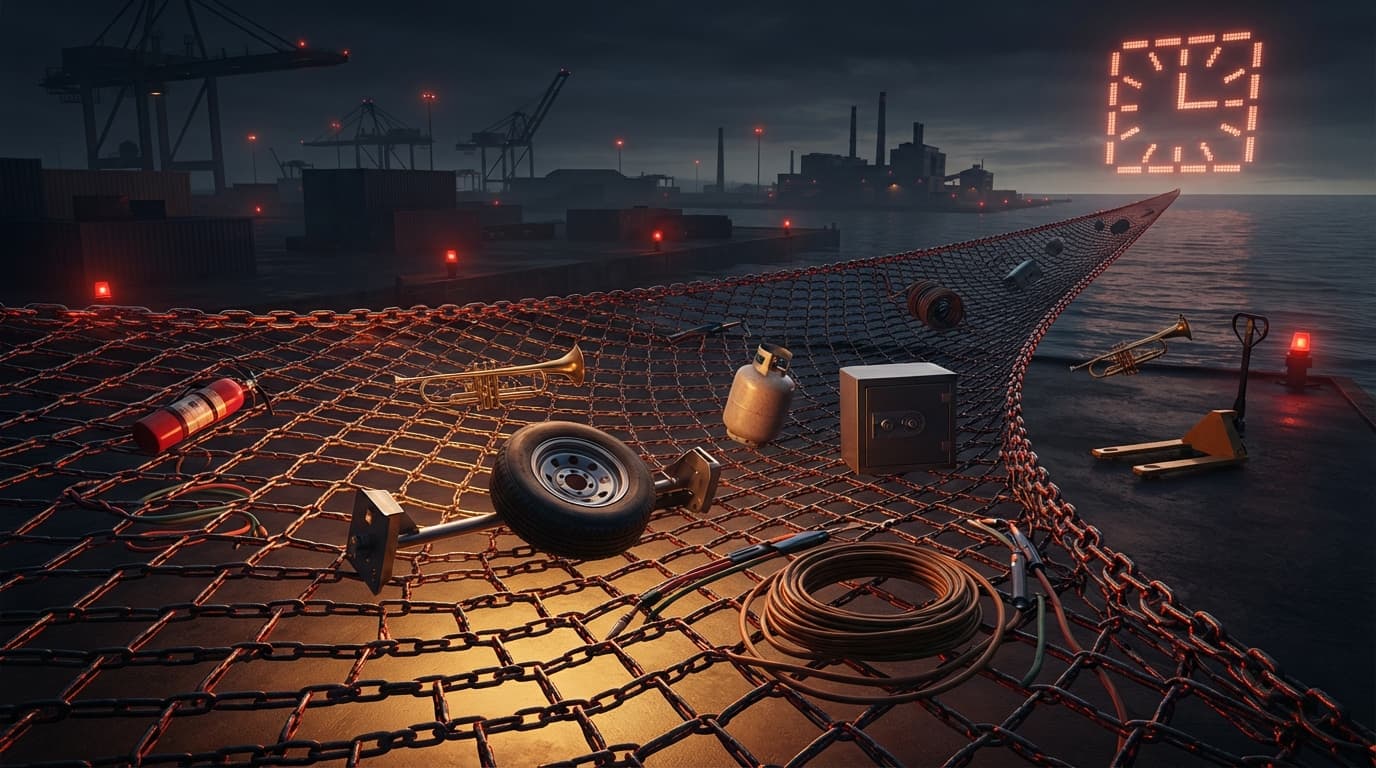
The Section 232 net is widening. Are you caught in it?
This analysis reflects the BIS notice published in the Federal Register on August 6, 2026, requesting public comments on the proposed expansion of Section 232 tariffs to 14 additional derivative articles. Specific tariff rates, product scope, and implementation details are subject to the final rule following the public comment period. Importers should consult with customs counsel and trade compliance professionals for guidance tailored to their specific products and supply chains.