Executive Summary
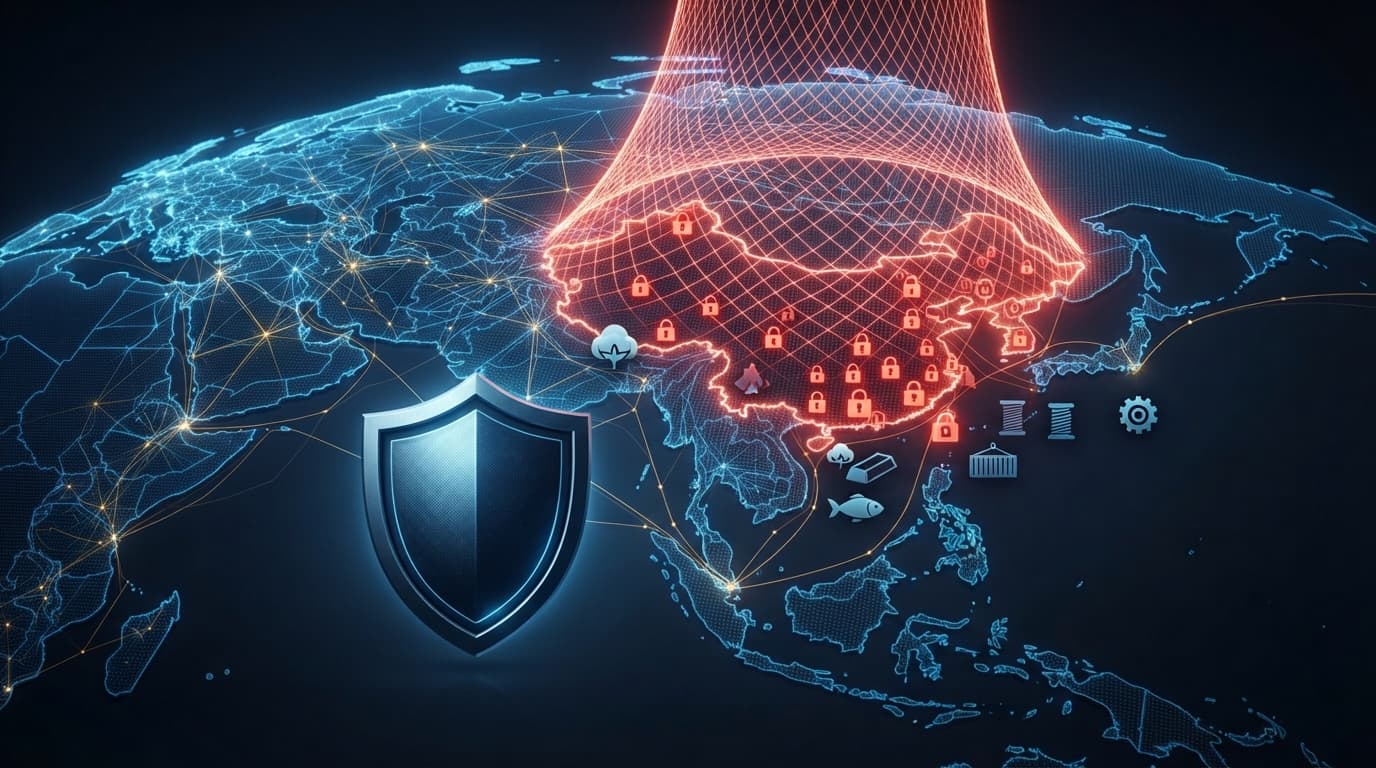
Effective August 3, 2026, goods produced by 43 additional China-based companies are prohibited from entering the United States after those entities were added to the Uyghur Forced Labor Prevention Act Entity List. The Department of Homeland Security has characterized this as the largest single expansion of the list to date—a 30 percent increase in the number of listed entities—and the first expansion in more than 18 months. The newly added companies span industries including aluminum, cotton, apparel, copper, gold, seafood, frozen food, and transportation infrastructure. With this addition, 187 companies now appear on the UFLPA Entity List, and DHS reports that since the law’s enactment it has denied entry to more than 24,300 shipments valued at nearly $1 billion. This analysis examines the structure of the Entity List, the legal framework underlying these prohibitions, the industries affected by this expansion, and practical considerations for importers assessing their own supply chain exposure.
UFLPA Entity List Expansion: Understanding the Largest Addition to Date
(UFLPA实体清单扩大:迄今为止最大规模的新增解读)
1 · The Expansion in Context
A Significant Scale of Addition
The addition of 43 companies to the UFLPA Entity List, effective August 3, 2026, represents a substantial single expansion by any measure. DHS has characterized it as the largest single expansion of the list to date, translating into a 30 percent increase in the total number of listed entities. This is also notably the first expansion of the list in more than 18 months, meaning importers had operated for an extended period against a relatively stable list before this significant addition.
Why the Timing and Scale Matter: an 18-month gap followed by a 30 percent increase suggests this was not a routine, incremental update but rather a more substantial review and enforcement action. Importers who had grown accustomed to a stable entity list over the preceding year and a half should treat this expansion as a signal that periodic, rather than continuous, list reviews may produce meaningful step-changes in supply chain risk exposure—reinforcing the value of building forced labor due diligence into standing compliance practices rather than treating past list-checking as sufficient going forward.
The Basis for Addition
According to information from federal agencies, the newly listed entities are being added for one or both of two reasons: sourcing materials from China’s Xinjiang Uyghur Autonomous Region (XUAR), or working with the XUAR government to recruit, transport, transfer, harbor, or receive Uyghurs, Kazakhs, Kyrgyz, or members of other persecuted groups out of the XUAR.
The Two Distinct Grounds for Listing: it is worth noting that these represent two conceptually different bases for addition to the list. The first—sourcing materials from the XUAR—relates directly to the physical origin of goods or inputs. The second—working with the XUAR government on labor transfer schemes—relates to an entity’s participation in the labor recruitment and transfer apparatus itself, regardless of where the resulting goods are physically produced. Importers conducting due diligence should understand that a supplier’s connection to the XUAR forced labor system can arise through either channel, not merely through direct manufacturing location.
2 · Understanding the UFLPA Entity List’s Four-Part Structure
A Consolidated Register of Four Distinct Categories
The UFLPA Entity List is not a single undifferentiated roster—it is a consolidated register combining four separate lists that the law requires DHS to develop and maintain. Understanding this structure helps clarify why entities can be listed for quite different reasons and why due diligence needs to account for multiple distinct risk pathways.
Category One: XUAR-Based Producers Entities located within the XUAR itself that mine, produce, or manufacture wholly or in part any goods, wares, articles, or merchandise using forced labor. This is the most straightforward category, capturing direct production within the region.
Category Two: Labor Transfer Facilitators Entities working with the XUAR government to recruit, transport, transfer, harbor, or receive forced labor, or Uyghurs, Kazakhs, Kyrgyz, or members of other persecuted groups, out of the XUAR. This category captures entities involved in moving labor rather than necessarily producing goods themselves within the region—meaning a company could appear on this list even if its manufacturing facilities are located elsewhere in China, provided it participates in the labor transfer system.
Category Three: Exporters of Goods from Listed Producers Entities that export products made by any of the Category One or Category Two entities from China into the United States. This category extends the prohibition’s reach beyond the original producer or labor-transfer facilitator to the exporting party handling the actual shipment to the U.S.—meaning an exporter can be listed based on the conduct of an upstream entity in its own supply chain, not solely based on its own direct actions.
Category Four: “Poverty Alleviation” and “Pairing-Assistance” Program Participants Facilities and entities, including the Xinjiang Production and Construction Corps (XPCC), that source material from the XUAR or from persons working with the XUAR government or the XPCC for purposes of the “poverty alleviation” program, the “pairing-assistance” program, or any other government-labor scheme that uses forced labor. This category specifically targets participation in named government programs that have been identified as vehicles for forced labor, capturing entities whose connection to forced labor runs through these particular institutional mechanisms.
Why This Four-Part Structure Matters for Compliance: because the list consolidates these four distinct categories, an importer’s own direct supplier need not itself be located in or manufacturing within the XUAR to appear on the list—it could instead be an exporter (Category Three) handling goods from an upstream XUAR producer, or a facility participating in a labor-transfer program (Category Four) with no direct XUAR manufacturing presence at all. Effective due diligence therefore requires looking beyond a simple “is my supplier located in Xinjiang” question toward a more comprehensive assessment of upstream supply chain relationships and program participation.
3 · The Legal Framework: How the Rebuttable Presumption Operates
The Core Statutory Presumption
The UFLPA establishes a rebuttable presumption that goods made wholly or in part in the XUAR are made with forced labor and are therefore excluded from entry into the United States. This presumption is significant because it shifts the practical burden: rather than the government needing to affirmatively prove forced labor was used in a specific shipment, goods connected to the XUAR are presumed tainted unless the importer can demonstrate otherwise.
How CBP Applies This Presumption in Practice
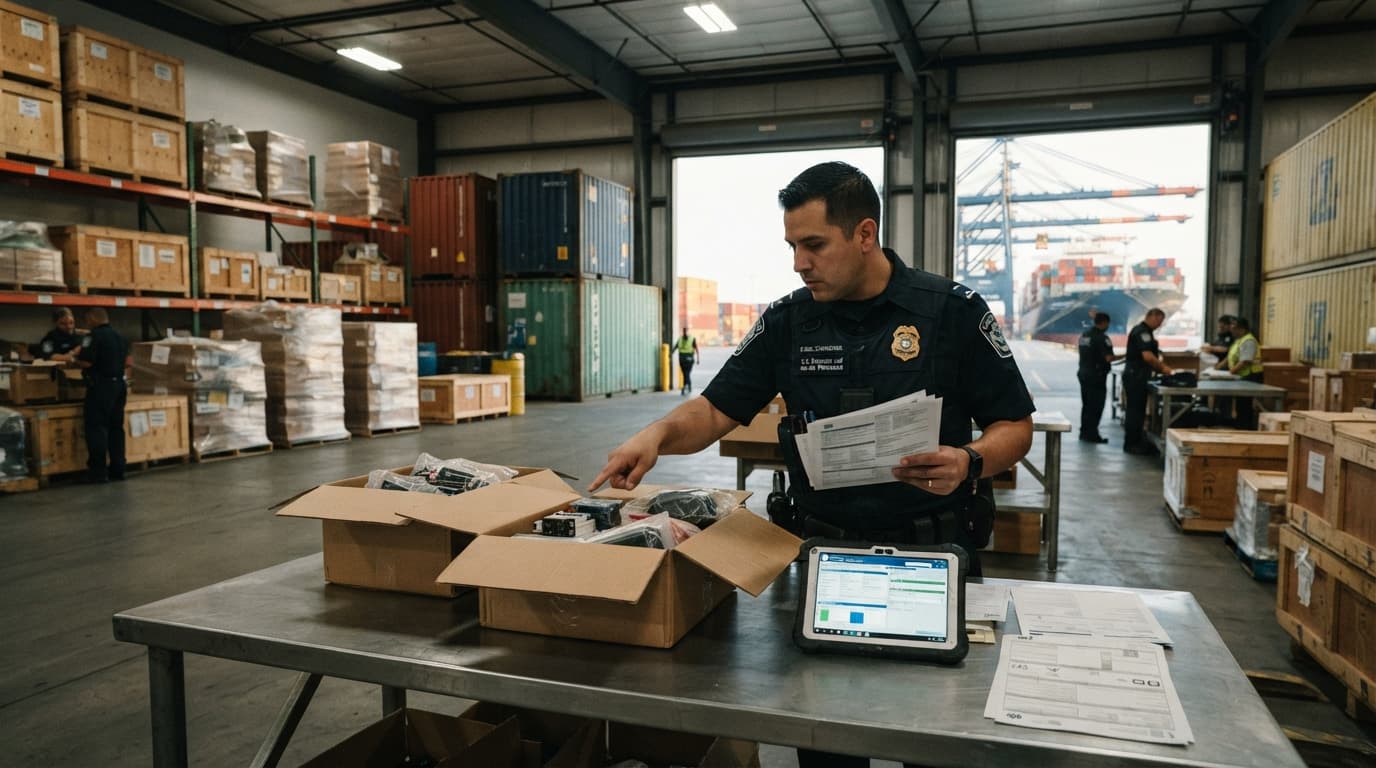
CBP applies this rebuttable presumption specifically to goods mined, produced, or manufactured by entities appearing on the UFLPA Entity List. As a practical matter, this means that once an entity is added to the list, goods from that entity become prohibited from importation into the United States under 19 U.S.C. § 1307—the underlying forced labor import prohibition statute that predates the UFLPA itself but is given heightened practical force through the Entity List mechanism.
The Practical Consequence for Importers: if any entity within an importer’s supply chain—whether a direct supplier or an upstream party several tiers removed—appears on the Entity List under any of the four categories described above, shipments connected to that entity face a strong likelihood of CBP detention or denial of entry, unless the importer can affirmatively rebut the presumption with sufficiently robust evidence that forced labor was not, in fact, used.
4 · Industries and Sectors Affected by This Expansion
A Broad Cross-Section of Industries
The newly added entities span a notably diverse range of industries, including aluminum, cotton, apparel, copper, gold, seafood, frozen food, and transportation infrastructure, among others. This breadth is worth emphasizing: forced labor supply chain risk under this expansion is not confined to the textile and apparel sectors most commonly associated with XUAR forced labor concerns in earlier public discussion.
Why the Industry Breadth Matters:
Metals and Minerals (Aluminum, Copper, Gold): companies sourcing these materials, whether as finished metal products or as inputs into further manufacturing, should recognize that forced labor risk extends into extractive and processing industries, not merely finished consumer goods. Given how deeply embedded metals like aluminum and copper are in manufacturing supply chains across electronics, automotive, construction, and other sectors, this expansion has implications reaching well beyond companies that directly import raw metals.
Cotton and Apparel: these sectors have long been recognized as high-priority areas for UFLPA enforcement, and this expansion reinforces continued active attention to cotton sourcing and apparel manufacturing supply chains connected to the XUAR.
Seafood and Frozen Food: the inclusion of these categories reflects broader documented concerns about forced labor in Chinese seafood processing and food supply chains, extending relevant due diligence obligations to food importers who might not have previously considered forced labor screening a core compliance priority for their category.
Transportation Infrastructure: the inclusion of this category suggests entities connected to logistics, transportation, or infrastructure development activities tied to the XUAR labor transfer system, a less immediately obvious category for many importers to consider but one that underscores the breadth of the labor transfer facilitation category described above.
The Practical Takeaway on Industry Scope
Importers across a considerably wider range of product categories than commonly assumed should treat this expansion as a prompt to review their own supply chain exposure, rather than assuming forced labor compliance obligations apply narrowly to textile, apparel, or solar-related imports alone.
5 · The Scale of Enforcement to Date
Cumulative Enforcement Statistics
With this expansion, 187 companies now appear on the UFLPA Entity List. DHS reports that since the law’s enactment, it has denied entry to more than 24,300 shipments valued at nearly $1 billion.
Putting These Numbers in Context: the scale of both the entity list itself and the cumulative enforcement statistics illustrates that UFLPA enforcement has moved well beyond a narrow or symbolic compliance exercise. Nearly $1 billion in denied shipment value, accumulated across more than 24,300 individual shipments, represents substantial and sustained enforcement activity affecting importers across numerous industries and company sizes.
What This Means for Risk Assessment: importers evaluating their own forced labor compliance posture should recognize that entity list additions translate into real, material enforcement consequences at scale—not merely into a theoretical compliance risk. The volume and dollar value of denied shipments underscore that CBP is actively applying the Entity List’s rebuttable presumption in day-to-day port operations, rather than treating it as a largely dormant statutory mechanism.
6 · Strategic Considerations for Importers
Reviewing Supply Chains Against the Expanded List
Given the addition of 43 new entities across a broad range of industries, importers should systematically review their supplier relationships—including upstream suppliers beyond their immediate direct contacts—against the updated UFLPA Entity List. Given the four-part structure described above, this review should extend beyond simply checking whether a direct supplier is listed, and should also consider whether known upstream producers, exporters, or labor-transfer-connected facilities within a given supply chain appear on the list.
Extending Due Diligence Beyond Direct Suppliers
Because Category Three of the list specifically captures exporters of goods made by other listed entities, and Category Four captures facilities connected to labor-transfer programs rather than direct XUAR manufacturing, importers relying solely on verifying their immediate supplier’s own manufacturing location may be missing meaningful exposure further up the supply chain. Building visibility into second- and third-tier suppliers, particularly for the industries specifically implicated in this expansion, represents an increasingly important compliance practice.
Preparing to Rebut the Presumption Where Appropriate
For importers who determine that a supply chain connection to a listed entity exists but who believe forced labor was not, in fact, used, understanding the documentation and evidentiary standard required to rebut the UFLPA’s presumption becomes important. This generally requires substantial, verifiable documentation regarding sourcing, labor practices, and supply chain traceability—materials that are considerably easier to compile proactively than to assemble reactively after a shipment has already been detained.
Monitoring for Future List Updates
Given that this expansion followed an 18-month gap, importers should not assume the current 187-entity list represents a stable, unchanging baseline going forward. Establishing a routine practice of monitoring DHS’s UFLPA Entity List for updates, rather than treating list review as a one-time compliance exercise, helps ensure that supply chain assessments remain current as the list continues to evolve.
Engaging Specialized Compliance Resources
Given the complexity of the four-part entity structure, the rebuttable presumption framework, and the breadth of industries now implicated, importers with meaningful exposure to Chinese supply chains—even outside the industries most commonly associated with forced labor concerns—may benefit from engaging trade compliance professionals with specific experience in forced labor supply chain due diligence and UFLPA-related documentation practices.
7 · Conclusion: A Significant Signal for Supply Chain Compliance
More Than a Routine Update
The addition of 43 companies to the UFLPA Entity List—characterized by DHS as the largest single expansion to date—represents a significant development for importers across a considerably broader range of industries than forced labor compliance discussions have traditionally emphasized. The inclusion of metals, seafood, frozen food, and transportation infrastructure entities alongside the more commonly discussed cotton and apparel sectors signals that forced labor supply chain risk extends well beyond the product categories many importers may have assumed fell outside their compliance concerns.
The Structural Complexity Worth Understanding
The Entity List’s four-part structure—covering direct XUAR producers, labor transfer facilitators, exporters of goods from listed entities, and participants in specific government labor programs—means that supply chain exposure can arise through multiple distinct pathways, not solely through direct manufacturing location within the XUAR itself. Importers conducting due diligence are well served by understanding this structure fully, rather than assuming a narrow “is my direct supplier in Xinjiang” screening question is sufficient.
Moving Forward
With 187 companies now on the list and nearly $1 billion in shipment value already denied entry since the law’s enactment, importers across a wide range of industries should treat this expansion as a prompt to review current supply chain due diligence practices, extend visibility into upstream suppliers where practical, and establish ongoing monitoring processes rather than one-time compliance checks. Organizations uncertain about their own exposure, or seeking guidance on documentation practices that could support rebutting the presumption where appropriate, may benefit from consulting trade compliance professionals with specific forced labor expertise.
This analysis reflects the UFLPA Entity List expansion effective August 3, 2026, based on DHS announcements and publicly available entity-specific information. Specific entity listings, program details, and enforcement statistics are subject to official DHS publications and any subsequent updates. Organizations assessing forced labor supply chain exposure should consult with trade compliance professionals and refer directly to DHS’s official UFLPA Entity List for current and complete information.